Wednesday, June 26, 2013

Bees and Butterflies Summer Fair Fun

The Summer Fair is soon upon us and we are getting a real buzz around the event.  This year, we have decided to have a fluttering theme of bees and butterflies. We want to celebrate these amazing critters and all that they do to help pollinate the crops around us. 

We have a bee hive demonstration, as well as a Butterfly Chase and many more wildlife themed activities that are being kindly developed by the girls from Newport High School. 

To complement the bee and butterfly theme, we are encouraging everyone who attends to unleash their inner butterfly…or bee –so, straighten your antennae and flutter your wings and join in with some fancy dress fun!

We will also have our usual market with lots of local producers selling their wares. This year, we have got jewellery from Button It!  and Jeanie Jewellery, food from the Ultimate Fudge Company, Crumbs Cakery, The Goat Ice-Cream Company and Polly’s Parlour, soap from Soapbox, handmade pet homes from Built 4 Paws and wooden crafts from The Wood Life and From Mrs G with Love….and the booking forms are still coming in!

There will be donkey rides, tractor rides and tree climbing!


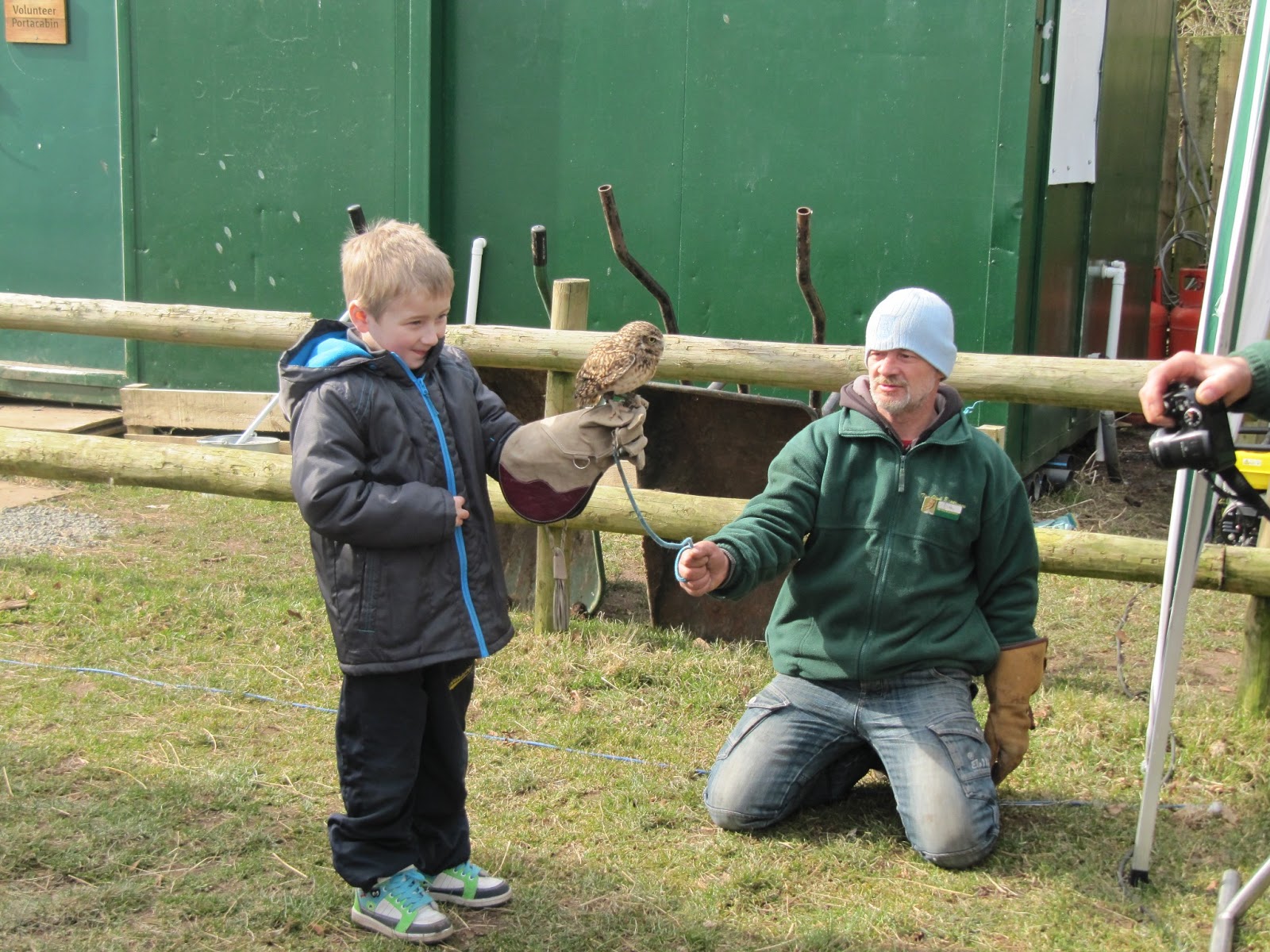
The Owl Experience will be here with their beautiful owls and  birds of prey.

 The RAF helicopter is coming in for a flying visit and you can scramble all over the helicopter!

A-Star Sports will also be here organising sports sessions with the kids.

Dan’s Cannons will be here – see how far you can shoot a “cannon” using your body and a little help from gravity…or have a go at Welly Wanging and see how far you can wang a welly – with a prize for the furthest throw!

We’ve also got some fantastic rural/traditional craft demonstrators coming, including Pics and Sticks and their green wood workshop, the Ellesmere Wool  Spinners, Helen and Kelvin Stanley demonstrating willow basket weaving, Andy Hyde with the ancient art of hewing and Barbara and her working horses Tyler and Billy…

Phew…! There will of course be a tea and cake stall run by the wonderful Fordhall volunteers, Ben’s Fordhall BBQ will be out serving delicious sausages and burgers and ice-cream from Polly's Parlour... you can then sit back and watch (or join in) the country dancing lead by Maggie Love and Geoff Turner.

£3 per person (under 4’s free!), 10am-4pm, Sunday 7th July…be there or be square… :-)

Tuesday, June 04, 2013

Brigit helps us Bee Aware at Fordhall Farm

Brigit telling the group how wonderful horse chestnut trees are for bees.


Last Sunday the inspirational Brigit Strawbridge came to Fordhall to run a workshop on bees. Did you know for example, that in the UK we have 267 different species of bee? Most of these will avoid stinging at all costs, and, only one of these is the honey bee.

In fact, the smallest bee is smaller than a grain of rice! Brigit had the group awestruck as she described the different types of bee's, where and why they choose to live in the different habitats that they do, and why different plants are more beneficial to them.

As farmers, we know how important bees are for producing food. Although, we only grow grass at Fordhall, our cattle also rely on herbs within the pastures and leaves from the surrounding trees for health. Even though bees directly pollinate a third of the food we eat and 80% of the plants on the planet you can, in fact, pretty much relate bees to almost every piece of food on your dinner plate. Their importance is exemplified in the fact that they have been around for over 100 million years - humans have only been around for 0.2 million years!


Even the dead nettles, dandelions,
daisies are loved by bees
In the morning we learned as much as we could about many different bees that can be found around us, taking tips on what we could grow in our own gardens to help reduce their decline. Then came lunch, a feast of honey roast pork, homemade honey bread and honey roasted vegetables cooked by Barney and Nicola.

To work off the delicious lunch we ventured into Fordhall's fields to see what we could find. The excitement came when we found small holes from ground nesting solitary bees. Holes that previously none of us would even have noticed, but on inspection you can see the hard work that goes into creating them.

Every time a member of the group spotted what they thought was a bee, there was a flurry of excitement. And we weren't always right. Some flies look like bees to avoid predation from other insects and birds. However, we were learning to spot the signs. Bee's have large antennae, a split body, two sets of wings and smaller eyes.

Another bee was spotted feeding on the bluebells and another down near the river. Unfortunately, even at Fordhall there were less bees to see than you would expect and this is due to the wet summers and the lack of habitat across the country which is encouraging their decline.

The entrance to the home of a ground
nesting solitary bee at Fordhall

Of course, we will all be aware of the debate over pesticides within the EU and the slow stance the UK has taken on making a decision. At least, here at Fordhall we have land which is, and always will be, pesticide free, and we will do all we can to help support our British bees.


For more information see these useful websites:
Bumble Bee Conservation Trust:  http://bumblebeeconservation.org/
To record your sightings:  http://www.bwars.com/
Information on all insects:   http://www.buglife.org.uk/
For all things Brigit Strawbridge:   http://beestrawbridge.blogspot.co.uk/

Enjoy the summer and do what you can for our bees!

Charlotte


Friday, May 31, 2013

John Kirkpatrick returns to Fordhall


We are proud to announce the Shropshire premiere of John Kirkpatrick’s latest folk music project on Sunday 9th June at 7.30pm here at Fordhall Farm.


John Kirkpatrick has lived in Shropshire since 1973 and has always listened out for tunes and lyrics emanating from the county. So this special performance will feature songs and music purely from or about Shropshire.  With his powerfully dynamic voice and twinkling concertina fingers, John will romp through a range of famous and forgotten gems like Shrewsbury Quarry, The Shropshire Militia Hornpipe, The Shrewsbury Rakes, A Shropshire Lad and The Shrewsbury Lasses – for so long the theme tune to Percy Thrower’s television Gardening Club.

Chris Eldon Lee, Chairman of the board of the Fordhall Community Land Initiative said “We are delighted to be hosting a unique concert to launch John’s new album of Shropshire songs.  John pioneered music in our new venue last September before a capacity audience. At the end of the evening there was a unanimous vote to invite him back again - and now his new CD “Every Mortal Place” is completed, that’s exactly what we are doing!”

John Kirkpatrick explains and introduces his music with wit, charm and enthusiasm - and his squeezebox playing is incredible.  John is now a national treasure of the English folk scene and winner of the BBC 2 Folk Musician of the Year award…and is not to be missed.  


Tickets for the evening are £20 and include a hot supper from Arthur’s Restaurant during the interval. They are available on a first-come-first-served basis on 01630 638696.

Friday, May 24, 2013

Charlotte visits shareholders in the Isle of Man


Charlotte and Adam

On the 8th and 9th May I was invited by shareholder Adam Denard, to visit the Isle of Man to speak to their Permaculture Group about Fordhall’s outdoor grazing system and our innovative community structure.

Having never visited the island before, I was interested to learn about their independent government structure, their extensive farming systems and the general beauty and biodiversity of the island. In fact the island has no intensive poultry or pig farms, or foxes - which is certainly something to celebrate.
 
The Isle of Man’s landscape is rather like Anglesey, rolling hills, glorious coast line and small towns dotted in between. The farming is generally extensive and mixed. With many farmers growing the crops needed to feed their livestock through the winter months.
Most will know that the main business on the island is in finance, with agriculture, once one of the mainstays, making a declining contribution to their GDP. I was only on the Island for 2 days and so it was very much a whistle stop tour, although I seemed to dart from one end of the island to the other without a blink of an eye; it being only 12 miles wide and 30 miles long with a population of about 80,000.

Whilst there I had the privilege of meeting their Minister of Environment, Food and Agriculture, Phil Gawne. We met over lunch in a sourdough cafĂ© with Dr Pete McEvoy who is government botanist and agricultural scheme adviser for the Manx (Isle of Man) version of DEFRA. Phil was a very down to earth Minister with a real interest in seeing the Isle of Man become completely independent and sustainable in its food needs; farming in a way that was not reliant upon outside resources (such as additional chemicals, oil or fertilisers). He was not particularly saying the island should be organic, but he was keen on creating a more self-contained food system, something similar in my mind to the Foggage system we run at Fordhall. I became excited by the opportunities on the island; their independence from the UK government and the EU means that change can be quick. They have a fantastic opportunity to see where others have made mistakes, learn from them, and take their island in a different direction. Whether that be in the direction of sustainable farming techniques or community engagement. They have already designated the island a GM free zone. 

Rearing mainly beef and lamb on the island, with some arable crops, they have one main abattoir. All animals on the island go through it and are then distributed amongst the islands food retailers.  A fantastic localised and fully traceable food system.
That evening I gave a talk to permaculturists, farmers and Manx residents about Fordhall. I even had the pleasure of meeting another lovely Fordhall shareholder in the audience. Everyone seemed to enjoy the presentation and we may even have got some more supporters along the way.
That evening I spent the night in a 1976 horsebox! It had been extremely well converted into a small flat, complete with woodburner, stove, desk and bed. The horsebox was on a piece of land collectively owned by 6 individuals. They each own their little piece of this abandoned farm land, grow their own vegetables and fruits, live on site in yurts and use compost toilets.

It was a real honour to stay there, made even more special when I woke in the morning walked out of the old 1976 horsebox to see two ducks passing the path in front of me, a small bunny rabbit munching on the grass to my left and the birds in full song. Nothing seemed to mind my presence there – it felt very Beatrix potter J
After offering some volunteer labour (very little in actual fact), Amanda took me to visit their community farm. Run by the Children’s Centre on the island, the community farm worked with, amongst others, young people struggling with conventional education - rather like our young people’s project at Fordhall. The main difference was that they had lovely dry poly tunnels to work in; a fantastic well equipment greenwood workshop, and they received funding from the government to sustain the project. It was interesting to share experiences, but most importantly seeing the enormous and identical benefits it had for their young people; demonstrating the power of working practically outdoors with nature. In fact the island has an extremely low unemployment rate, yet these projects are still highly valued and supported.
 

A 'pizza' garden on the Children's Community Farm

At the end of my final day I met with local farmer John Kenaugh. His family have been farming the land here for over 5 generations. He could even remember the first bag of ammonium nitrate fertiliser to arrive on the fields. Although not a convert to organics, he is a traditional farmer and a real custodian of land. A farmer who understands and appreciates that his job is to nurture and build the soil and in return it will provide him with healthy food and a livelihood. There was a lot of synergy between John and Fordhall. The best bit of farming advice he was ever given was to ‘never plough through sand’; a mistake that my grandfather made during the first world war, costing our soils dearly.
 
As John simply puts it “now I have brown soil, not white soil”. Again John’s motivation, like their agricultural ministers’ was to produce food on the farm without being completely reliant on outside inputs, whatever those might be. He believed that farming and nature could not be separated: they are one and must be managed as a complete system, where everything is valued and each living creature has its place.
The Isle of Man was an island of intrigue, beauty and inspiration. They have a fantastic opportunity to develop their food system in a truly sustainable and healthy way, as they have not yet got stuck into the vastly intensive route many UK farms have.
 
Perhaps their biggest stumbling block will be high land values and barriers to entry into farming – I wondered if the Fordhall community ownership model could offer some alternatives. As an island that attracts wealthy investors, land values look like they will continue to rise. Maybe placing land in common ownership or creating laws that offer land to local’s first at an affordable rate may be solutions for the Manx government?

Either way, I had a truly inspiring visit to the island. I would like to extend my thanks to Adam, Pete, Phil, Jim and Amanda, who all made me feel extremely welcome and at home.

Gura mie eu and Aigh vie (Thank you and Good Luck!)
Charlotte

Wednesday, May 15, 2013

Biodynamic Workshop - stag bladders and compost!


Last Saturday, we held a Biodynamic Workshop here.  Charlotte and I decided to tag along to see if there were any ideas we could take on and use at Fordhall. 

The course was led by Biodynamic guru, Bernard Jarman of Hawksford College.  He certainly knew his stuff and was fascinating to listen to.

Biodynamic Apparatus

Biodynamic growing and farming is all about connecting the light with the dark, the earth with the cosmos and society with nature.

“Rudolf Steiner (1861-1925), founder of biodynamics, was a highly trained scientist and respected philosopher. Long before many of his contemporaries, Steiner came to the conclusion that western civilization would increasingly bring destruction to itself and the earth if it did not begin to incorporate an objective understanding of the spiritual world and its interrelationship with the physical world. Steiner's spiritual scientific methods and insights have given birth to practical holistic innovations in many fields including education, banking, medicine, psychology, the arts and, not least, agriculture.”  https://www.biodynamics.com/steiner.html

Bernard Jarman
On our workshop, Bernard started the day by teaching us how to create compost preparations using 6 key plants: Yarrow, Chamomile, Nettle, Dandelion, Valerian and Oak.  Each of these plants has its own unique properties which are not only used medicinally, but they also help to assist with various mineral processes under the soil.

Compost Preparations
The Yarrow flowers, for example, are collected and dried over winter, then in the spring they are sewn inside the bladder of a stag.  The bladder is then hung up over the summer, then buried in the autumn and dug up in the spring ready to use in your compost.

Yes, it does sound a little far-out, but the whole idea of connecting the external with the internal is really quite powerful. 

We all ventured outside, just as it started to rain and Bernard showed us how to add the ready-made compost preparations to our compost heap in the community garden.  We also added a liquid compost starter to the compost created from the Ridan Hot Composter


Adding to the compost heaps
As it started to get a bit too chilly outside, we made our way back in and enjoyed a delicious lunch from Arthur’s Restaurant of vegetarian quiche, home-made bread and seasonal salad.

Charlotte stirring the vortex
After lunch, we learnt about the Horn Manure and Horn Silica that is used on the land.  We had to put the Horn Manure into a bucket of water and stir it for an hour, but not just stir it, we had to create a vortex in the water.  We were shown how to stir the water in a clockwise direction until there was a vortex down to the bottom of the bucket and then stir the water in the opposite direction again creating a vortex. 

Horn Manure

This liquid was then sprinkled all over the field and community garden, this will hopefully help with plant growth… watch this space!

Connie and Becca sprinkling the Horn Manure across the fields

This workshop would definitely appeal to all gardeners and growers who are interested in organics and are open minded to new ideas!

We are holding our next Biodynamic Workshop with Bernard on Saturday 19th October.
Get in touch to book!
Becca

Friday, May 03, 2013

Explore Fordhall Farm


I’m dog sitting today, so I’ve just taken Luke out for a walk around the trails at Fordhall.  The sun isn’t really shining this afternoon, but it’s still really warm and the farm is still really beautiful. 

Luke
All three trails are now open! The 3rd of the trails which is named after the late Arthur Hollins has been closed for a while as the ground had been so wet, but as you’ll see if you walk around the farm, it is now very dry and sandy.  Arthur’s walk takes you around most of Fordhall’s 140 acres and takes about an hour and half…longer if you stop to explore along the way! 

Tree tunnel

At the moment, out in Fordhall’s fields you will find the lambs and calves, they are all sticking close to their mums still.  In the pig paddock the Gloucester Old Spot piglets are a bit more adventurous; they love to go running off on an adventure!


Today, I walked along the River Tern and stopped to look at an otter holt (den), I was just about to pick up a cray-fish claw that was on the bank when I heard a splash, I turned to look, but all I could see was the ripples in the river - I was right by the otter and I missed it! Oh well…maybe next time.

The otter holt
Our trails are open all through the Bank Holiday weekend, Charlotte’s Walk only takes half an hour, Ben’s Walk goes a bit further and takes about 45 mins – for Ben’s Walk you probably still need your wellies. 
If you don't fancy going on a big adventure around the farm, you can still head over to the pig-nic area and see if you can find these guys...


For the youngsters (or the young at heart) we have a selection of free activities to help you explore along the way; create a natural bookmark, hunt out all the wooden animals, collect brass rubbings and go on a  Fordhall Treasure Hunt.  You can collect all of these from Arthur’s Tea Room – just ask at the till.

SPRING!
I hope you have a lovely bank holiday weekend – winter has finally turned into spring!

Becca

Monday, April 22, 2013

Piglets and Party


Last week we welcomed to the world 15 Gloucester Old Spot piglets - mum and babies are doing well!  


All of our Gloucester Old Spot pigs here at Fordhall Farm are free range. After they have been weaned off their mum, they are fed on a mixture of GM free pig feed as well as spent brewer’s grain from the local Joules Brewery in Market Drayton.


Our piglets really do run about freely – as they are so tiny, they can still fit under the paddock fence and explore the farmyard…but they soon run back to mum when they get hungry…or if they meet a cow…or even a chicken for that matter!


The Gloucester Old Spot breed was first officially recorded in the UK in 1913, although, there are numerous paintings from centuries before depicting spotted pigs.  The breed originated in South West England and were also known as The Orchard Pigs as they were usually kept in cider and perry orchards.  According to folklore the spots on the pigs back were bruises caused by the falling fruit!


This lovely old English breed is tough and hardy, yet easy to handle. They enjoy rolling around in the mud and playing around the paddock!

Mud, mud glorious mud!
The staff at Fordhall also enjoy playing around in our own paddock…we somehow managed to pick the windiest, wildest evening of the week to hold our Staff BBQ!  The team at Fordhall has grown so much over the years and it was fantastic to be able to get everyone together for a chance to socialize outside of work.


We managed to hold out against the elements and everyone had a lovely evening! Thanks for doing the cooking Ben!


Friday, April 12, 2013

Spring Weekend Fun

What a brilliant weekend we had here at Fordhall Farm! 
Our AGM was held on Saturday afternoon, the sun was actually shining, the birds were singing, the sky was blue and we had a fantastic day! The chairman of the board Chris Eldon Lee led the proceedings and had our shareholders in stitches! 
 
Ourlovely chair, Chris Eldon Lee made the day
very entertaining
The usual meeting stuff took place, with a report from the treasurer, voting on accounts and board members and a report from John Hughes on the Owen Paterson visit we had earlier in the year. After a delicious bring and share lunch, Charlotte gave an update on the all the FCLI’s activities and Ben followed with an update on the goings on of the Farm Business. 
 

We were really fortunate to have Ginny Mayall, from Pimhill Farm as our guest speaker.  She talked about the history and creation of Pimhill and had the audience enthralled with her story.
Ginny Mayall, daughter of pioneering compost
farmer, Sam Mayall.
The afternoon consisted of group discussions on what people would like to see happening at Fordhall in the future and the chance to plant their own seed to take home and grow a bit of Fordhall in their own back garden! 

The Barn Dance and Hog Roast kicked off in the evening with Ceilidh band “The Shropshire Heroes” and caller Baz Parkes leading the dancing.  After the first half of do-see-doing and promenading the food was served. Revellers enjoyed a mouth-watering pork bap and a glass of local ale before beginning the second half of the evening.  The night came to a close at around 11pm, with lots of happy faces heading home to get some sleep before the next days celebrations.

Sunday morning began with a ground frost, it was very chilly and I was beginning to worry that the event would not go down very well… How wrong could I be?!


Everyone say "Aaaah"
Stall holders arrived and set up their wares, the lambs and their mums were brought out to meet everyone, the chicks were chirping in their incubator, the may pole was set up and Dan and his Cannons were ready to go...

No one seemed to know what they were doing - but everyone still had fun!


Dan's Cannons

The wonderful Fordhall volunteers had arranged the tea and cake stall with a delicious array of cakes. Ben and his catering team were cooking up a storm and the smell of sausage and burgers was wafting around the field!


Mmmmmm - Sausage Baps!

Helen Stanley - expert Basket Weaver

Kaleidoscope Theatre performed to a big crowd who were completely taken by their heart-warming “silent-cinema”.
 
Kaleidoscope Theatre - silent cinema 

We had over 1000 people attend the Spring Celebration!  The farm came to life with happy families taking part in all of the activities we had to offer. The sun shone through the clouds just enough to allow people to sit and enjoy the buzz go on around them.
 
Bustling Marquee

The whole weekend, was such a success – we love having so many people on the farm, enjoying everything that Fordhall has to offer. It created such a lovely atmosphere and all I could see were smiling happy faces!

Happy Smiling Faces!
 
Thank you to everyone who came to celebrate spring with us and to all the stall holders, craft demonstrators, activity leaders and of course, the brilliant volunteers, without whom none of this would be possible!

Becca
 
Thank you one and all!